


Swimming is often regarded as a childhood milestone, something to learn during school years and carry into adulthood. Yet swimming ability is not fixed at a certain age. Adults can learn for the first time, revisit skills they have not practiced in years, or discover new ways to enjoy the water. Developing confidence and competence in swimming is an opportunity that extends well beyond childhood.
Australia’s water safety figures underline the importance of lifelong water competency. The National Drowning Report 2026, published by Royal Life Saving Australia in partnership with Surf Life Saving Australia, recorded 313 drowning deaths across Australia during 2025–26. People aged 65 and older accounted for 95 deaths. These figures highlight why developing and maintaining water skills should remain a priority throughout adulthood.
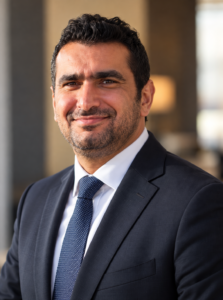
For Melbourne-based swimming educator Peter Hendriks, founder of SwimWell, swimming is a lifelong pursuit that people can approach at their own pace. With more than 20 years of coaching experience, he encourages adults to see it as an accessible, enjoyable activity, much like walking. SwimWell offers private instruction, pool squads, open-water education, and international swim experiences.
Hendriks’ perspective is shaped partly by his own experiences. He survived a near-drowning incident as a child, while his early sporting interests included Australian rules football, athletics, and surfing. A serious football injury eventually led to two hip replacements and a knee replacement, prompting him to rediscover swimming around 2000.
His renewed interest developed into a deeper commitment to understanding the sport, including training in the United States with Terry Laughlin, founder of the Total Immersion methodology. “He has been a profound influence and mentor to me, inspiring my commitment to passing on the principles I’ve learned from him,” Hendriks says.
That influence is reflected in his emphasis on efficient movement. “Rather than focusing simply on speed or distance, I believe swimmers need to consider how balance, streamlining, and propulsion work together,” Hendriks explains.
His teaching breaks the freestyle stroke into four fundamental phases, using targeted drills, in-water instruction, and underwater or aerial video analysis to help participants understand and improve their technique. This process may benefit beginners and experienced swimmers alike. Even those who have swum for years can gain from revisiting the fundamentals and identifying movements that may be limiting their efficiency.
Adults arrive at lessons with very different needs. “Some have never learned to swim, while others want to breathe more comfortably, conserve energy, or cover greater distances,” Hendriks shares. He observes that beginners can sometimes progress quickly because they have fewer established habits to reconsider. More experienced swimmers may need to question techniques they have practiced for years. For him, improvement begins with curiosity and a willingness to approach familiar movements differently.
Confidence also depends on recognizing that pool swimming and open-water swimming require different skills. Pools offer predictable conditions and familiar boundaries, whereas open water introduces challenges such as navigation, changing conditions, and the absence of a visible pool floor. Even accomplished pool swimmers can find their first open-water experiences intimidating.
SwimWell addresses this transition through introductory programs and skills courses that help participants become familiar with open-water environments. Coaches may accompany swimmers by kayak, providing guidance and reassurance as they develop their skills and confidence.
For others, the first challenge is simply feeling comfortable in the water. Hendriks has worked with people experiencing significant water anxiety, as well as participants with injuries or disabilities. His approach recognizes that instruction must reflect individual circumstances, with new experiences introduced gradually and at a manageable pace.
SwimWell’s work with the Silver Salties program illustrates what this approach can achieve. Some participants began by swimming approximately 200 meters before progressing toward distances of around 1.5 kilometers. Their development demonstrates how appropriate instruction can help adults move beyond their initial expectations and discover new physical capabilities.
For Hendriks, coaching should also equip swimmers to continue learning independently. Some participants travel to Melbourne for concentrated instruction before returning home to practice, while others receive ongoing feedback through Zoom sessions and video analysis. SwimWell further supports continued participation through swimming camps, international swim journeys, and meetups in different locations. Hendriks also hopes to expand his educational work through advanced development opportunities for swimming coaches.
Essentially, adults pursue swimming for different reasons. Some want to overcome a fear of water, while others hope to improve their technique, build endurance, or explore open water. For people managing changes in mobility, swimming can provide a low-impact form of physical activity. Others value its social opportunities, sense of achievement, and potential for adventure.
Whatever the starting point, Hendriks believes there is always room to learn. Whether entering the water for the first time, returning after years away, or refining a familiar stroke, adults need not regard their swimming ability as something already determined. Hendriks says, “With the right guidance and a willingness to learn, swimming can become a lasting source of confidence, activity, and enjoyment at any age.”