

Pilates has grown from a niche studio offering into a mainstream fitness trend. According to ClassPass’s 2025 Look Back Report, Pilates was the most-booked workout on the platform for the third consecutive year, with reservations increasing 66% from 2024. It was also the class new users were most likely to book first. With demand growing at this pace, questions may arise about whether the instructors leading these classes are fully prepared to teach. As more beginners enter studios, instructor readiness is becoming an important consideration.
Teachers are experiencing that demand firsthand. In The Pilates Journal’s 2026 Global Industry Report, which surveyed 955 Pilates professionals across markets including the US and Canada, 76% reported an increase in demand for Pilates. To meet this need, new instructors may find themselves certified and teaching classes in a short period. However, certification programs can differ significantly, and completing one does not necessarily mean an instructor is ready to lead a room of clients with different needs and abilities.
Many certification programs may place greater emphasis on learning the exercise repertoire. Fewer may focus on the practical skills involved in teaching, including biomechanics and fundamentals, explaining movements clearly, and adapting exercises for someone experiencing back pain or limited mobility. The Pilates Journal’s report also found that 65% of professionals plan to invest in continuing education or professional development, suggesting that many view their initial training as only the beginning. Knowing how to perform an exercise and knowing how to guide someone else through it safely are two very different skills.
Social media may further widen this gap. Online, Pilates is often presented through polished movements, carefully designed studios, and visually appealing routines. In an actual class, however, success may depend less on appearance and more on whether each client feels comfortable and supported. An instructor who concentrates too much on performance may overlook someone struggling at the back of the room. For clients, this could result in a less satisfying experience, while instructors and studios may find it harder to encourage people to return.
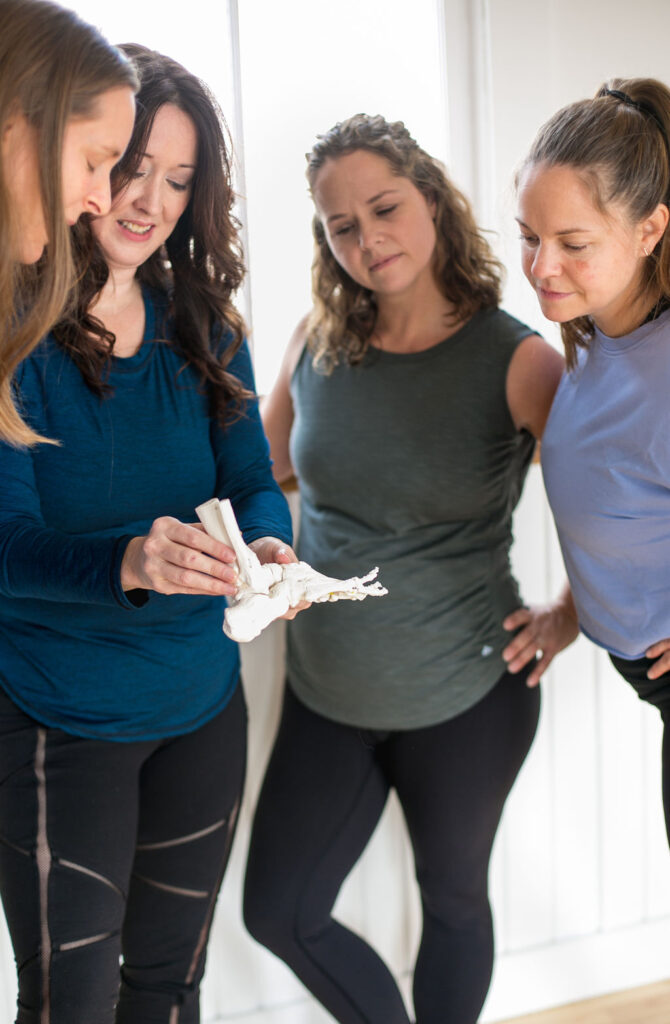
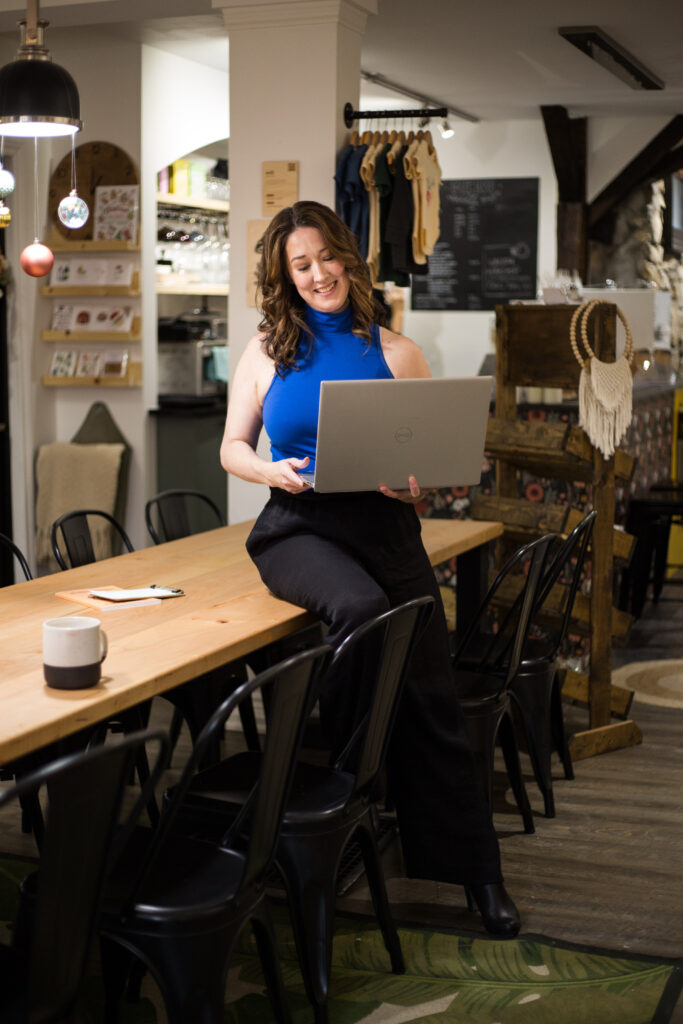
Caitlin Bovée, a Pilates instructor and owner of Pilates in Guelph and Pilates in Erin, two studios based in Ontario, Canada, has observed this gap from both sides of the reformer. Alongside teaching clients, she works as a teacher trainer for Body Harmonics and runs the Instructor Accelerator Program, a mentorship program designed to support instructors after certification. “Most certifications teach the exercises, but very few teach you how to teach,” Bovée says. She believes these missing skills can influence how safe, effective, and welcoming a class feels.
In Bovée’s experience, every client arrives with different needs and concerns. Some experience back pain or tight hips, while others may feel tense or overwhelmed before the class even starts. She believes an instructor’s first responsibility is to help people feel safe enough to move and reconnect with their bodies. “It’s not about you as the teacher,” she says. “It’s about the person in front of you and whether they can feel what the exercise is meant to do.”
Bovée highlights several skills that may not be covered in a certificate program, and these are central to her Instructor Accelerator Program. Instructors learn how to observe clients’ movements, adjust their cues when something is not working, and manage unexpected situations without losing their composure. The mentorship also addresses client relationships and the business side of teaching. “When you practice these things ahead of time, teaching gets easier,” she says. “Without a system, you end up working much harder than you need to.”
These abilities may also influence whether clients choose to return. Bovée explains that studio owners, employees, and independent contractors can invest considerable effort in attracting someone to a class, only to lose that client after a single visit. “If they don’t come back, you’ve lost everything it cost to bring them in,” she explains. She also emphasises the importance of congruency, which means delivering consistently on what teachers promise in every class. In her view, this helps build trust and may also reduce burnout.
For people choosing a Pilates class, Bovée recommends looking beyond the exercises themselves and noticing how an instructor makes them feel. Clear explanations and appropriate modifications can be positive signs of thoughtful teaching. Visiting a studio and asking about the training its instructors have completed may also provide more insight than a polished social media profile. “Notice the feeling you have in that space,” she says. “That tells you a lot about the teaching.”
For aspiring instructors, Bovée suggests learning from teachers who represent the style they hope to teach and asking questions about a training program’s background, methods, and approach. She believes professional development should be treated as an ongoing process rather than a qualification earned once and left behind. As Pilates continues to attract more people, the standard of teaching may need to evolve alongside it. “Demand brings people in,” she says. “Good teaching is what keeps them.”