

Equine therapy has gained growing attention as researchers and communities explore how interactions with horses may support emotional, developmental, and therapeutic goals. Equine-assisted interventions have been studied across different populations, including children with autism spectrum disorder (ASD), individuals experiencing emotional challenges, and those seeking supportive environments that encourage communication, confidence, and engagement.
For instance, a randomized controlled trial examined a 10-week therapeutic horseback riding program involving 127 children and adolescents with ASD. The study reported improvements among participants in areas including irritability, hyperactivity, social cognition, social communication, and language-related measures using horses compared with a barn activity group without horses. These findings contribute to continued research exploring how human-horse interactions may support various aspects of development and well-being.
Within this expanding field, Cavallo Riding Center, a family-operated equestrian facility in Northern California, has developed a personalized equine experience designed to support children navigating autism, emotional trauma, and other developmental challenges. Through experiences such as spending time near horses, touching them, and riding, the program aims to create opportunities for children to develop confidence, communication skills, and a greater sense of connection through their relationship with horses.
The foundation of Cavallo Riding Center’s work is connected to a century of family history on the ranch where its programs operate. The property, which will celebrate its 100th anniversary next year, began as a dairy farm before transitioning into an equine facility over three decades ago. Owned by a third-generation ranch family, the land reflects a longstanding relationship between people, animals, and agriculture. As the ranch continues expanding its offerings, including a sensory garden and obstacle course, that heritage remains an important part of the environment created for children and families who visit.
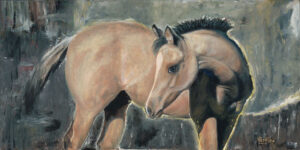
For Cavallo Riding Center Program Director Heidi Partlow, horses have represented a lifelong source of connection, creativity, and personal growth. She says, “My love for horses began when I was very young. I would draw and paint them before my family moved to a property where, at seven years old, I got my first horse.” Alongside riding, Partlow developed her artistic abilities from childhood, receiving training as an equestrian artist beginning at age five. Her appreciation for horses became expressed through both teaching and painting, allowing creativity to become another avenue for exploration and connection.
Partlow later transitioned her passion into a professional career as a horsemanship instructor and horse trainer, establishing her program as A Horse Experience. With 48 years of riding horses and approximately 20 years of teaching horsemanship, she has built her approach around understanding both horses and riders. Her background in training has become particularly valuable when working with children who may feel uncertain around animals or require adaptive riding, as the horses involved in the program are prepared to provide a safe and consistent experience.
“My relationship with horses has always been built through trust, patience, and understanding,” Partlow says. “A horse can become a partner in a child’s experience, giving them a chance to communicate, make choices, and discover confidence in their own abilities.”
The center’s work developed through community relationships. The program initially welcomed children who had experienced emotional trauma after entering foster care. “I’ve observed how time with horses created opportunities for children to feel accepted and engaged. As families shared their experiences, more children with autism and other developmental needs began participating in our sessions,” Partlow states.
This growth reflects a broader interest in equine-assisted programs as researchers continue examining their potential applications. A recent study explored parent-reported behavioral changes following equine-assisted sessions among children with ASD. The research examined reported changes across areas including sensory behaviors, relationship-building, social skills, self-care skills, and language-related behaviors after participation in a structured program.
At Cavallo Riding Center, each child’s experience begins with their individual comfort level. Partlow notes that some children start by standing beside a horse or gently touching its coat. Others may work toward riding independently. “I remember one child who spent 35 minutes building enough confidence to approach and mount a horse for the first time. After that experience, the child returned eager to ride again,” she remarks. “Every child has a different starting point. The most important thing is creating space for them to build trust and recognize their own progress.”
Partlow has witnessed families celebrate meaningful milestones through the program, including children becoming more engaged during sessions, developing new communication skills, and showing increased attentiveness. She views riding as an experience that encourages children to participate actively, whether through guiding a horse forward, responding to its movements, or learning simple commands.
The horses themselves play an important role in these interactions. Partlow notes that as herd animals, horses can respond to consistency and leadership, and their sensitivity can allow them to respond to the people around them. Her experience as a trainer helps ensure the horses are prepared for riders with different abilities and comfort levels, providing families with confidence as their children participate. “Horses may offer children a unique kind of relationship. They respond to the person in front of them, and that connection can encourage children to express themselves in new ways,” Partlow emphasizes.
For many young riders, time with horses may provide an opportunity to experience independence through movement, communication, and decision-making. Beyond the riding sessions, A Horse Experience at Cavallo Riding Center continues exploring ways to share the connection between children and horses with a wider audience. One of Partlow’s future goals is creating an interactive children’s book featuring the ranch’s horses, allowing children to learn about them through stories, images, and videos.
As Cavallo Riding Center moves toward its next century, the ranch continues combining its agricultural history, equestrian expertise, and community-focused programs to create meaningful experiences for children and families. Through the relationship between horses and riders, Partlow hopes more children can discover moments of confidence, connection, and possibility.