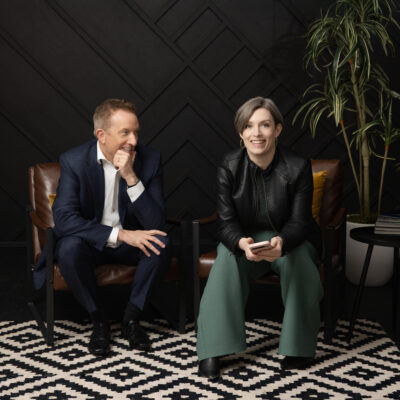


Professor Gal J. Nahum, a conducted direct current (CDC) technology engineer, examines electrical systems with an eye toward their broader impact on daily life. His work reorganizes familiar electrical principles to identify overlooked possibilities, including CDC’s role in powering Clean Air (Electric Filter), a device designed to help reduce air pollution and improve indoor air quality. Through this focus, he highlights how CDC can inform broader discussions on social well-being, health, and long-term economic resilience.
This perspective emerges within a rapidly evolving air quality landscape. Indoor environments now present a complex mix of airborne particles, pathogens, and chemical compounds, many of which remain present at higher concentrations indoors than outside. These conditions continue to influence how people experience shared spaces, from workplaces to healthcare settings.
Additional findings suggest that a significant portion of the population encounters ongoing exposure to particulate and ozone pollution, reflecting a broader environmental context that extends beyond individual buildings. Within this setting, Professor Nahum’s work is intended to align with a growing interest in solutions that engage both the physical and atmospheric dimensions of air.
“CDC builds on familiar electrical principles, but the structure is arranged differently,” Prof. Nahum explains. “In traditional direct current, ions tend to stay relatively still. With conducted direct current, the setup encourages ions to shift and interact, which can allow positive and negative charges to take a more active role.”
Through systems that integrate alternating current to direct current transformation, the technology adapts voltage into forms suitable for this conductive process. According to Prof. Nahum, the foundation of this system is widely known, while its arrangement reflects years of refinement and observation. In practice, this configuration may allow airborne elements such as dust and fine particulates to be captured with a level of precision that supports cleaner indoor conditions.
Beyond particulate capture, Prof. Nahum’s exploration extends into the interaction between electrical currents and atmospheric gases. Within the CDC framework, ionization plays a role in altering how carbon-based compounds behave in the air. Prof. Nahum notes that this includes processes that contribute to the transformation of carbon dioxide into oxygen-related outputs under specific conditions. “This area is still developing, and I see it opening a useful line of discussion about how electrical activity might relate to atmospheric behavior. It gives us another angle to consider as we look at environmental systems,” Prof. Nahum emphasizes.
He suggests that the social impact of this technology often starts with people becoming aware of it. “Sharing parts of my work online has drawn interest from people in various regions, which I see as a sign that many are open to new ways of thinking about familiar issues,” Prof. Nahum shares. “Some ideas might receive less attention in public discussions because they don’t fit into the usual storylines. That space is a chance to invite people into the conversation.”
Healthcare considerations add another dimension to this conversation. Prof. Nahum points to environmental research, noting how airborne particles, allergens, and microscopic pollutants can influence respiratory and systemic health. He says, “Technologies that interact directly with these elements may create openings for cleaner breathing conditions in homes, hospitals, and shared public spaces. The technology is a natural kryptonite against viruses, bacteria, and funguses, ultimately killing them.” Within that frame, he views CDC‑based systems as one way to explore how electrical processes might complement existing air‑management approaches, offering a potential pathway toward more balanced environments over time.
Economic dimensions also emerge through this evolving landscape. According to Prof. Nahum, the increasing focus on indoor air quality has already contributed to the expansion of related markets, with organizations investing in solutions that enhance environmental performance and occupant well-being. Prof. Nahum’s CDC technology aims to enter this space as part of a broader conversation about efficiency, adaptability, and long-term value creation. Designed to integrate with existing electrical infrastructure while offering additional environmental functions, it presents a pathway that is intended to align with ongoing efforts to refine how buildings operate and how resources are utilized.
Overall, Prof. Nahum’s work reflects a broader philosophy about the role of technology in human environments. His work does not position innovation as a departure from established knowledge, but as an opportunity to revisit familiar systems with renewed attention. He remarks, “It’s worth revisiting what already exists and discovering how much more it can offer,” he says. In this evolving dialogue, conducted direct current serves as a lens through which air, energy, and human experience can be considered together, inviting an appreciation for how interconnected these elements have always been.