


A digital reminder can prompt a clinician to discuss a patient’s end-of-life wishes, creating an opportunity for a conversation that might otherwise be delayed. Yet the most important moments often come after the opening question, when a patient expresses fear, a family member struggles with the prognosis, or a clinician must help someone make sense of an uncertain future.
Research at the University of Pennsylvania illustrates the potential of electronic prompts. A randomized clinical trial published in JAMA Oncology found that machine-learning-triggered reminders increased documented serious-illness conversations from 3.4% to 13.5% among patients with advanced cancer at risk of death within six months. The intervention also reduced end-of-life chemotherapy by 25%. The findings demonstrate how technology can help clinicians initiate important discussions, while highlighting the value of preparing staff for the conversations themselves.
These discussions carry significant weight because patients and families must often weigh treatment options against their likely outcomes and personal priorities. American Heart Association data put survival to hospital discharge after adult in-hospital cardiac arrest at 23.6%, with a 10.5% survival rate following emergency medical services-treated out-of-hospital cardiac arrest. Such figures may reinforce the importance of helping patients understand what interventions may involve and what recovery could realistically look like.
The challenge for healthcare teams is to make these conversations both clinically informed and human. Busy wards leave limited time for extended discussions, while fear, uncertainty, and differing family expectations can make it difficult to find the right words. Communication training can help clinicians approach these moments with greater confidence, giving patients more opportunity to express what matters to them.
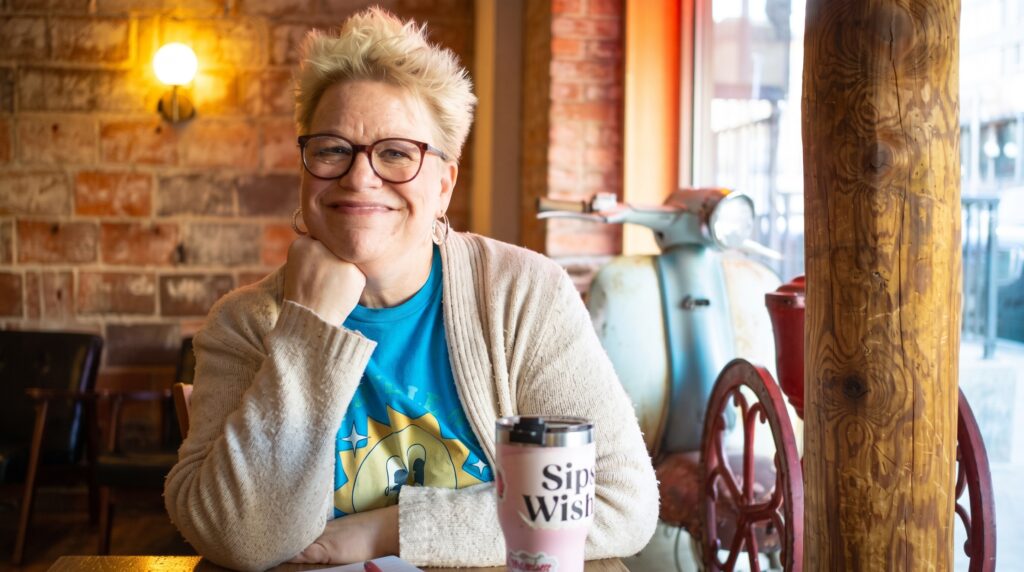
Amy Hensley, a veteran nurse and end-of-life educator who develops communication workshops for clinical teams, has spent years considering how healthcare professionals can build those skills. Her perspective took shape during an overnight shift early in her nursing career, when an elderly patient sitting on the edge of his bed looked at her with tears in his eyes.
“He looked at me with tears in his eyes and just said quietly, ‘I don’t want to do this anymore,’” Hensley recalls. Fresh off orientation, she was alone on the night shift and unsure how to respond. She sat beside him, held his hands, and listened. Although she knew better than to promise that everything would be fine, she lacked the tools to explore what he meant or what he wanted from his care. “I didn’t know how to lead the conversation when he trusted me enough to open up.”
The encounter helped shape her approach to communication as a clinical skill that requires deliberate practice. Hensley recalls receiving a few days of end-of-life simulation during nursing school, although she acknowledges that training varies across institutions. Her concern is that clinicians may be expected to navigate emotionally difficult discussions without enough opportunity to practise them. Advising staff to use open-ended questions, she argues, offers little help if they have never learned how to respond to the answers.
Her framework begins with three steps. Clinicians first center themselves by recognising their emotional state and how it might affect their response. They then clarify what a patient means, understands, and hopes to achieve. Finally, they offer choice, helping patients understand their realistic options and retain a voice in decisions about their own bodies.
This last step is particularly important when treatment becomes burdensome. Hensley objects to the familiar declaration that nothing more can be done, arguing that palliative care and hospice remain meaningful options when curing an illness is no longer possible. “We can switch our focus from trying to cure you and make you as comfortable as you can be,” she notes. The aim is to help patients understand what continued treatment might achieve and decide whether those outcomes align with their priorities.
Popular portrayals of medical emergencies can further complicate those decisions. Hensley argues that television often gives audiences unrealistic expectations of CPR and hospice care, leaving families unprepared for the physical consequences of resuscitation or the support available through hospice. When relatives have never discussed a loved one’s wishes, a crisis can turn uncertainty into conflict. She recalls situations in which a relative who lives far away demands aggressive intervention while the family member who provides daily care believes the patient would have declined it.
Early recognition of decline can create opportunities to prevent such confrontations. Nurses and certified nursing assistants may notice changes in appetite, sleep, or daily functioning through repeated contact with patients. Hensley believes those observations can help initiate conversations before an emergency forces decisions, provided staff have the knowledge and support to raise concerns sensitively.
Hospitals, she adds, must also consider the emotional cost of these encounters on their own workforce. Hensley describes nurses performing CPR on a frail patient before returning almost immediately to routine requests from other rooms. Without time to decompress, Hensley warns, the distress accumulates. Communication workshops can provide practical tools, but meaningful support also requires adequate staffing, opportunities to debrief and recovery options suited to individual needs.
The institutional challenge is to treat serious-illness communication as part of clinical practice, supported by training and time to apply it. Hensley hopes that five years from now, patients, families, and healthcare professionals will find these conversations less intimidating. Electronic prompts can open the door. Hospitals must give their staff the skills and support to walk through it.
Email: amy@amyhensley.com